
Guides
Exporting from Switzerland: documents and process
Exporting goods from Switzerland means dealing with two customs administrations: the Swiss one on export and the destination country’s on import. In between are documents that decide on VAT, preferential duty and speed at the border. This guide explains which documents businesses need and how the process works.
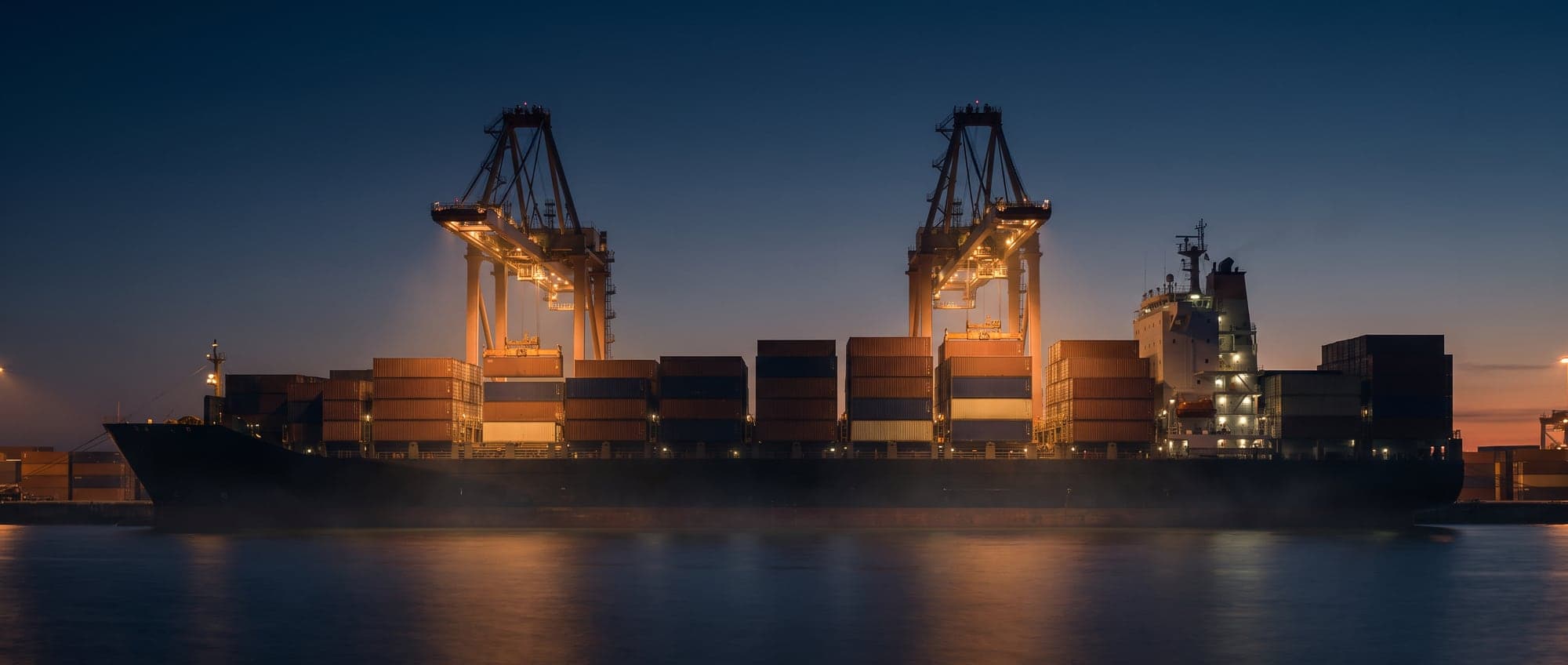
Exporting at a glance
Every export has two sides. In Switzerland the goods are declared for export and the Federal Office for Customs and Border Security (BAZG) issues an electronic export assessment notice. In the destination country the same goods are declared for import – with local duties, taxes and rules.
On the Swiss side, exports generally incur no charges. What matters are the right documents: they secure the VAT exemption, unlock preferential duty in the destination country and prevent delays.
| Document | Purpose | Issued by |
|---|---|---|
| Commercial invoice | value, description, origin – basis for both clearances | exporter |
| Packing list | contents, weights, number of packages | exporter |
| Export assessment notice | proof of export, including for VAT | BAZG, after declaration by exporter or forwarder |
| Proof of origin | preferential duty at destination (e.g. EUR.1 or origin declaration) | exporter; EUR.1 endorsed by customs |
| Transport documents | CMR consignment note, bill of lading or air waybill | forwarder or carrier |
The process step by step
A typical export by a Swiss company.
- 01Check goods and destination
Determine the tariff number (Tares, tares.ch), record consignee and destination, and check whether the goods are subject to export controls or sanctions.
- 02Agree delivery terms
Set the Incoterms with the customer: who transports, who clears import customs, who pays the import charges?
- 03Prepare documents
Invoice, packing list and – where a free trade agreement brings a benefit – the right proof of origin.
- 04Declare the export
The export declaration is filed electronically in Passar, usually by the forwarder. Once accepted, the BAZG issues the export assessment notice.
- 05Transport and border crossing
The goods leave Switzerland. When moving through third countries they often travel under a transit procedure, also handled in Passar.
- 06Import at destination
The consignee or their customs broker clears the goods in the destination country, where local duties and import VAT apply.
- 07File the evidence
Keep the export assessment notice, invoice and transport documents – they prove the VAT-exempt supply to the Federal Tax Administration (ESTV).
Passar: the new system for exports
The BAZG is replacing its customs systems step by step with the Passar goods traffic system. Transit and export already run entirely in Passar; e-dec Export was retired at the end of 2025. Transitional rules apply to a few special cases.
For most exporters little changes day to day if a forwarder handles the declaration. Companies that declare themselves need Passar access or suitable software.
As of September 2026 – details may change; the information published by the Swiss customs office (BAZG) is authoritative.
VAT: exempt only with proof of export
Supplies abroad are exempt from Swiss VAT (Art. 23 of the VAT Act), with the right to deduct input tax. The goods must actually leave Switzerland, and this must be proven.
The key proof is the BAZG’s electronic export assessment notice. Without it or other valid evidence, the supply is taxed as a domestic one. The exemption is decided by the Federal Tax Administration (ESTV), not by customs.
- Make sure the export declaration names the correct company.
- Match invoice number and value between invoice and declaration.
- File assessment notices systematically and link them to your accounts.
Proof of origin: benefits at destination
Switzerland has many free trade agreements, including with the EU and, through EFTA, with further partners. If goods meet an agreement’s rules of origin, they can be imported at reduced or zero duty – but only with a valid proof of origin.
Common proofs are the EUR.1 movement certificate or an origin declaration on the invoice. Many agreements set a value limit for invoice declarations (often EUR 6,000); above it you need an EUR.1 or approved exporter status. The exact rules differ by agreement.
Origin is not the same as «Swiss made» or the country of dispatch. The rules of origin of the relevant agreement are decisive – if in doubt, check with the BAZG or a customs broker.
Export controls and sanctions
Certain goods may not be exported without a licence. These include dual-use goods – items with civil and military uses, such as some machine tools or electronics. If they are listed in the annexes of the Goods Control Ordinance (GCO), a licence from the State Secretariat for Economic Affairs (SECO) is required regardless of destination. Applications are filed electronically via ELIC.
You also need to check whether the destination country or the consignee is subject to Swiss sanctions – before signing the contract, not just before shipping.
Exporting to the EU: think about the destination
For deliveries to the EU, the goods are declared for import there; any duties and the import VAT of the country concerned apply. Anyone acting as declarant in the EU needs an EORI number. Companies without an EU establishment apply in the member state where they first carry out customs activity.
The Incoterms decide who bears the import charges. Under DDP the seller covers everything up to cleared delivery – convenient for the customer, demanding for the exporter.
How ZETA supports exports
ZETA GmbH, based in Zurich, works in international trade as well as import and export. We organise exports together with forwarders and customs brokers: documents, transport and coordination with customers abroad.
We do not replace legal or tax advice, but we make sure everyone involved has the right documents at the right time.
Frequently asked questions
Are there export duties when exporting from Switzerland?
Generally not on the Swiss side. Import duties and taxes are charged by the destination country and depend on the goods, their origin and the applicable agreement.
Are exports exempt from Swiss VAT?
Yes, supplies abroad are exempt (Art. 23 VAT Act), provided the export is proven – usually by the electronic export assessment notice.
How is an export declared?
Electronically via Passar, the BAZG’s system. e-dec Export was retired at the end of 2025. A forwarder usually files the declaration.
Do I need an export licence?
Only for certain goods, such as dual-use goods under the Goods Control Ordinance, or where sanctions apply. SECO is the competent authority.
What is an EUR.1?
A movement certificate proving the preferential origin of goods. It allows reduced duty at destination under a free trade agreement.
More guides
Importing into Switzerland: customs, VAT and process
Customs duty since 2024, import VAT, tariff numbers and declarations: what businesses need to know when importing into Switzerland.

Entering the Swiss market: a guide for foreign companies
Language regions, price levels, legal forms, VAT and sales channels: the roadmap for entering the Swiss market.

Finding and vetting suppliers abroad
From specification to first order: sourcing channels, due diligence checklist, samples, contracts and the key Incoterms.